“A smartphone is now the most personal computer a person owns.”
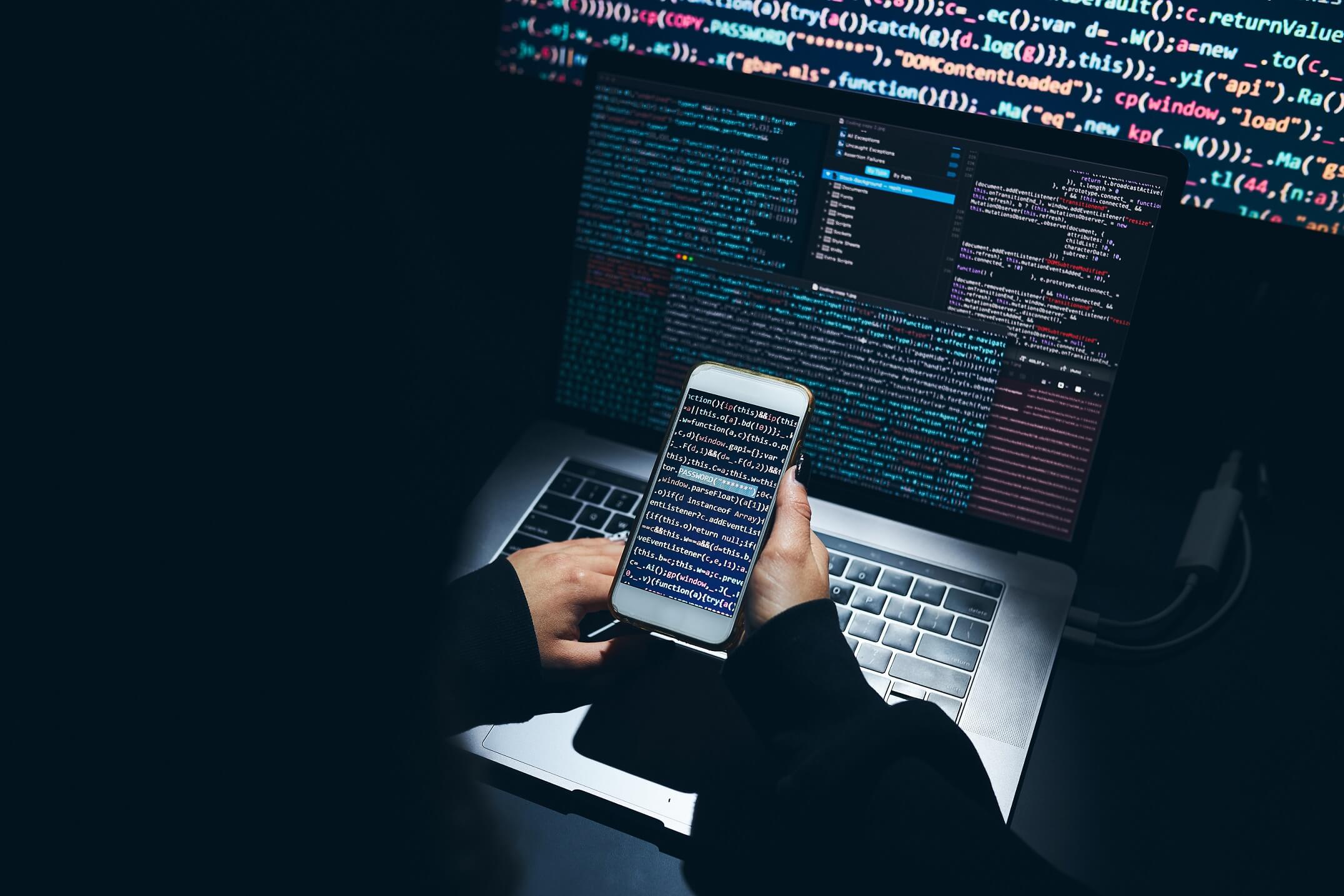
Smartphones are essential in the Philippines for communication, banking, shopping, navigation, and entertainment. However, they are also prime targets for cyberattacks.
Mobile threats include malicious apps, phishing links, spyware, SMS scams, and unsecured Wi-Fi networks.
To protect mobile devices, users should enable strong screen locks such as PINs, passwords, or biometrics.
Operating system updates should be installed regularly because they often contain security patches.
Applications should only be downloaded from trusted sources such as official app stores.
Users should carefully review app permissions and avoid granting unnecessary access to contacts, location, or files.
Mobile banking and e-wallet users must be especially cautious, as attackers often target financial apps.
Remote tracking and wiping features should be enabled in case a device is lost or stolen.
Backing up important data ensures that information is not permanently lost after device compromise.
In the Philippines, where mobile-first internet usage is dominant, smartphone security is directly tied to financial and personal safety.
“Protecting your phone is protecting your entire digital life.”
Written by Rowen Neil Enriquez
Leave a Reply