





Stay Safe in the Digital World

CyberBantay helps individuals and communities stay informed, protected, and responsible online through cybersecurity awareness and practical digital safety tips.

About
CyberBantay

CyberBantay is a cybersecurity awareness initiative focused on promoting digital safety in the Philippines. It aims to educate individuals, students, and communities on how to protect themselves from online threats, scams, and cyber risks.

In today’s digital world, many people are vulnerable to phishing, identity theft, and social engineering attacks. CyberBantay provides practical guidance, easy-to-understand resources, and real-world examples to help users stay informed and make safer decisions online.

Awareness First

Practical Protection

Accessible Learning

Cybersecurity Tips

Learn simple and practical ways to protect yourself online. From securing your accounts to avoiding scams, these tips will help you stay safe in today’s digital world.

Threats & Scams

Threats & Scams to Watch Out For

Cyber threats are becoming more advanced and common. Stay informed about the most common scams and attacks to protect yourself and your personal information.

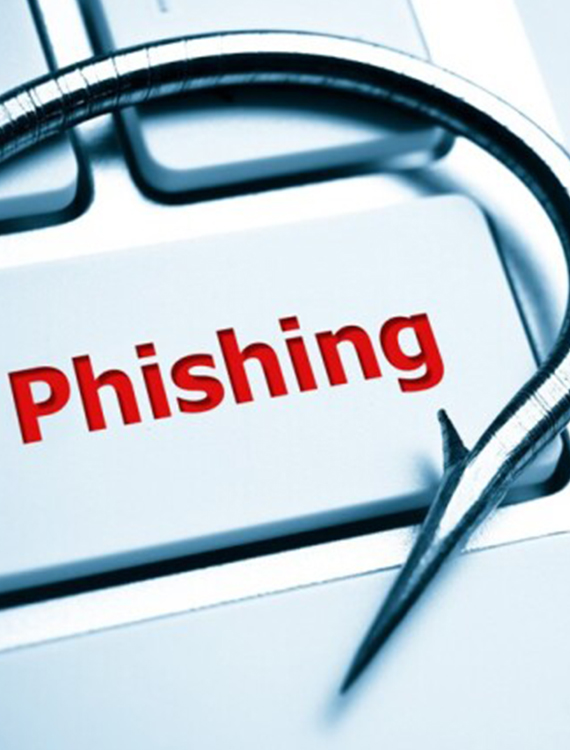
Phishing Attacks Are Everywhere

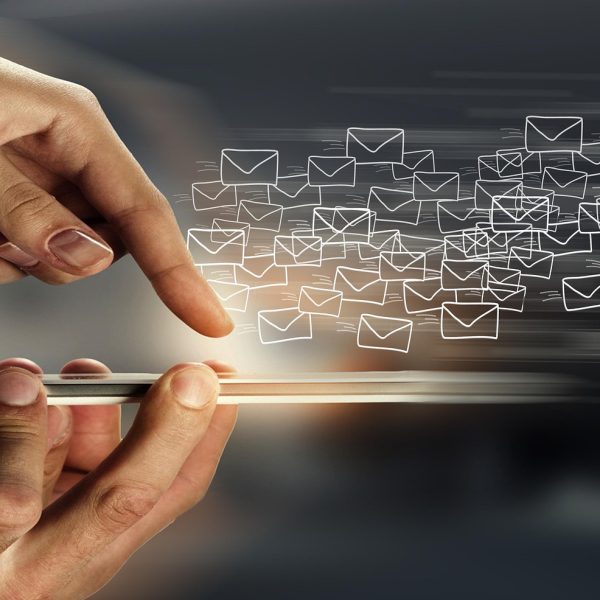
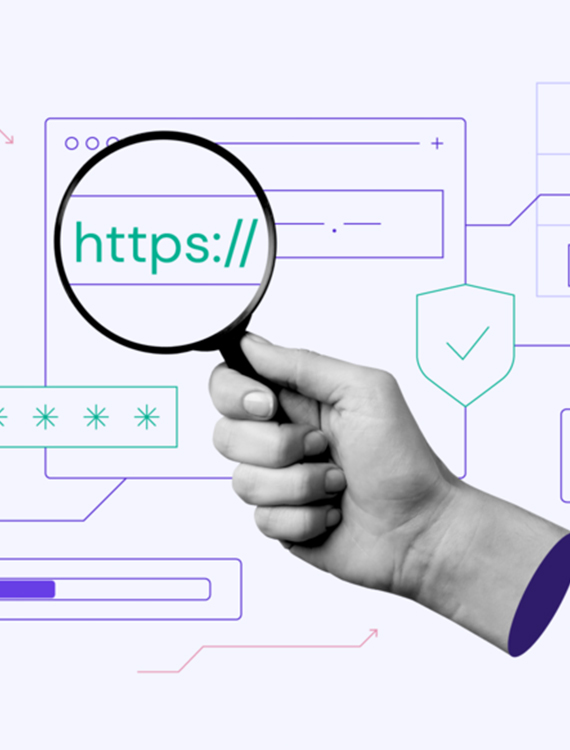
Scammers trick you into giving personal information through fake emails, text messages, or websites that look legitimate. These attacks often appear as urgent requests from banks, delivery services, or social media platforms.

In the Philippines, phishing scams commonly involve GCash alerts, Facebook account warnings, and fake job offers.

Phishing Attacks

Scammers trick you into giving personal information through fake emails, messages, or websites that look legitimate.

Malware

Malicious software can infect your device through unsafe downloads, links, or apps, putting your data at risk.

Identity Theft

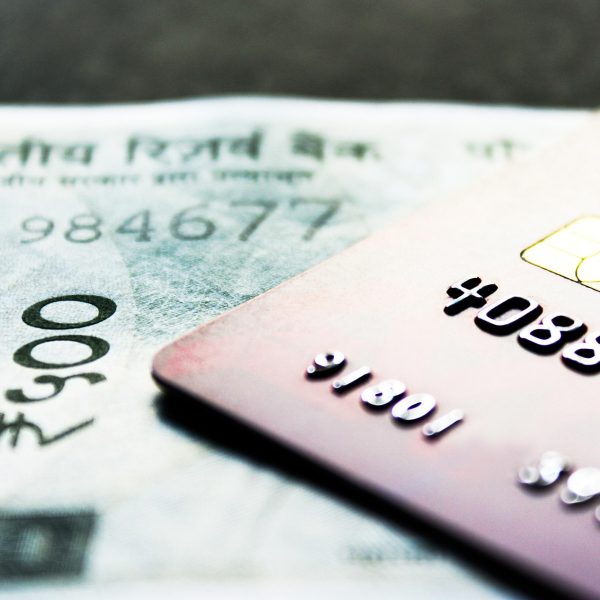
Hackers steal your personal information to impersonate you, access your accounts, or commit fraud.

Local Scams

Be cautious of scams involving GCash, Facebook Marketplace, and fake job offers targeting Filipinos online.

Latest Articles & Updates

Stay updated with the latest cybersecurity tips, news, and real-world scam alerts. Learn how to protect yourself and stay one step ahead of online threats.

Cybersecurity sa Government Services Online sa Pilipinas

Ang digitalization ng government services sa Pilipinas ay nagbigay ng mas mabilis na access sa public services tulad ng SSS, PhilHealth, Pag-IBIG, at BIR. Ngunit kasabay nito ay ang pagtaas ng cybersecurity risks. Isa sa mga pangunahing banta ay phishing websites na ginagaya ang official government portals. Layunin nito na...

Cybersecurity sa Online Gaming sa Pilipinas: Panganib sa Virtual Worlds

Ang online gaming ay isa sa pinaka-popular na digital activities sa Pilipinas, lalo na sa kabataan. Ngunit hindi alam ng marami na ang gaming platforms ay isa ring target ng cybercriminals. Isa sa pinaka-karaniwang problema ay account hacking kung saan ninanakaw ang gaming accounts at inaalis ang in-game items o...

Fake News at Misinformation sa Pilipinas: Digital na Panlilinlang sa Lipunan

Ang fake news ay isa sa pinakamalaking problema sa digital landscape ng Pilipinas. Dahil sa malawak na paggamit ng social media, mabilis kumakalat ang maling impormasyon na maaaring magdulot ng kalituhan at panic. Ang fake news ay maaaring tungkol sa politika, kalusugan, kriminalidad, o kahit simpleng balita. Madalas itong pinalalabas...

Online Shopping Scams sa Pilipinas: Panganib sa E-Commerce Platforms

Ang online shopping ay naging normal na bahagi ng buhay ng maraming Pilipino, lalo na sa paggamit ng platforms tulad ng Shopee, Lazada, at social media marketplaces. Ngunit kasabay ng paglago nito ay ang pagdami ng online shopping scams na nananamantala sa tiwala ng mga mamimili. Isa sa pinaka-karaniwang scam...

Cybersecurity Awareness sa Pilipinas: Ang Unang Depensa Laban sa Cybercrime

Ang cybersecurity awareness ay isa sa pinakamahalagang aspeto ng digital safety sa Pilipinas. Kahit gaano ka-advance ang technology, ang pinakamahina pa rin na link ay ang user mismo kapag kulang sa kaalaman. Maraming cyberattacks ang nagtatagumpay hindi dahil sa technical weakness kundi dahil sa human error. Ang simpleng pag-click sa...

Phishing Emails sa Pilipinas: Ang Pekeng Mensahe na Mukhang Totoo

Ang phishing emails ay isa sa pinaka-karaniwang cyber attacks sa Pilipinas. Ito ay ginagamit ng mga cybercriminal upang lokohin ang users at makuha ang kanilang personal o financial information. Karaniwang ang phishing email ay mukhang galing sa lehitimong kumpanya tulad ng bangko, government agencies, o online services. Ginagaya nito ang...

Identity Theft sa Pilipinas: Pagnanakaw ng Digital na Pagkatao

Ang identity theft ay isa sa pinaka-seryosong cybercrime sa Pilipinas. Ito ay nangyayari kapag ang personal na impormasyon ng isang tao ay ninakaw at ginamit para sa fraudulent activities. Karaniwang target ng identity theft ay mga data tulad ng pangalan, address, phone number, ID cards, at bank details. Sa digital...
Wi-Fi Hacking sa Pilipinas: Panganib ng Hindi Secure na Internet Connection

Ang Wi-Fi hacking ay isa sa pinaka-underrated na cyber threats sa Pilipinas. Dahil sa dami ng free Wi-Fi networks sa malls, cafés, terminals, at public places, maraming Pilipino ang kumokonekta nang hindi iniisip ang security risks. Isa sa pinaka-karaniwang atake ay man-in-the-middle (MITM), kung saan ang attacker ay pumapagitna sa...

Malware sa Mobile Phones sa Pilipinas: Tahimik na Pagnanakaw ng Datos

Ang mobile malware ay isa sa pinaka-dumaraming cyber threats sa Pilipinas ngayon, lalo na dahil halos lahat ng transaksyon ay ginagawa na sa smartphone. Mula sa online banking, e-wallets, hanggang social media, ang mobile devices ay naging sentro ng digital life ng mga Pilipino. Dahil dito, naging pangunahing target ito...

Cybersecurity sa Remote Work sa Pilipinas: Proteksyon sa Home Office

Ang remote work ay naging normal na setup sa maraming kumpanya sa Pilipinas. Ngunit kasabay nito ay ang pagtaas ng cybersecurity risks dahil ang mga empleyado ay gumagamit ng personal devices at home networks. Isa sa mga pangunahing banta ay unsecured Wi-Fi connections. Kapag hindi secure ang home network, maaaring...

Online Banking Fraud sa Pilipinas: Pag-atake sa Pinansyal na Sistema

Ang online banking fraud ay patuloy na tumataas sa Pilipinas habang mas maraming tao ang gumagamit ng digital banking platforms. Ang mga cybercriminal ay gumagamit ng iba’t ibang paraan upang makuha ang access sa bank accounts ng mga users. Isa sa pinaka-karaniwang method ay phishing websites na ginagaya ang official...
Cybersecurity sa Small Businesses sa Pilipinas: Ligtas na Negosyo sa Digital Age

Ang small businesses sa Pilipinas ay isa sa pinaka-vulnerable na sektor pagdating sa cybersecurity. Dahil sa limitadong budget at kaalaman, marami sa kanila ang hindi gumagamit ng advanced security systems. Maraming small businesses ang umaasa sa basic passwords at free platforms, na nagiging madaling target ng hackers. Kapag na-compromise ang...

Deepfake Technology sa Pilipinas: Ang Bagong Panlilinlang sa Digital Era

Ang deepfake technology ay gumagamit ng artificial intelligence upang gumawa ng pekeng video o audio na mukhang totoo. Sa Pilipinas, nagsisimula na itong maging banta dahil maaari itong gamitin sa panlilinlang, misinformation, at identity fraud. Sa pamamagitan ng deepfake, maaaring magmukhang nagsasalita ang isang tao kahit hindi naman niya ito...
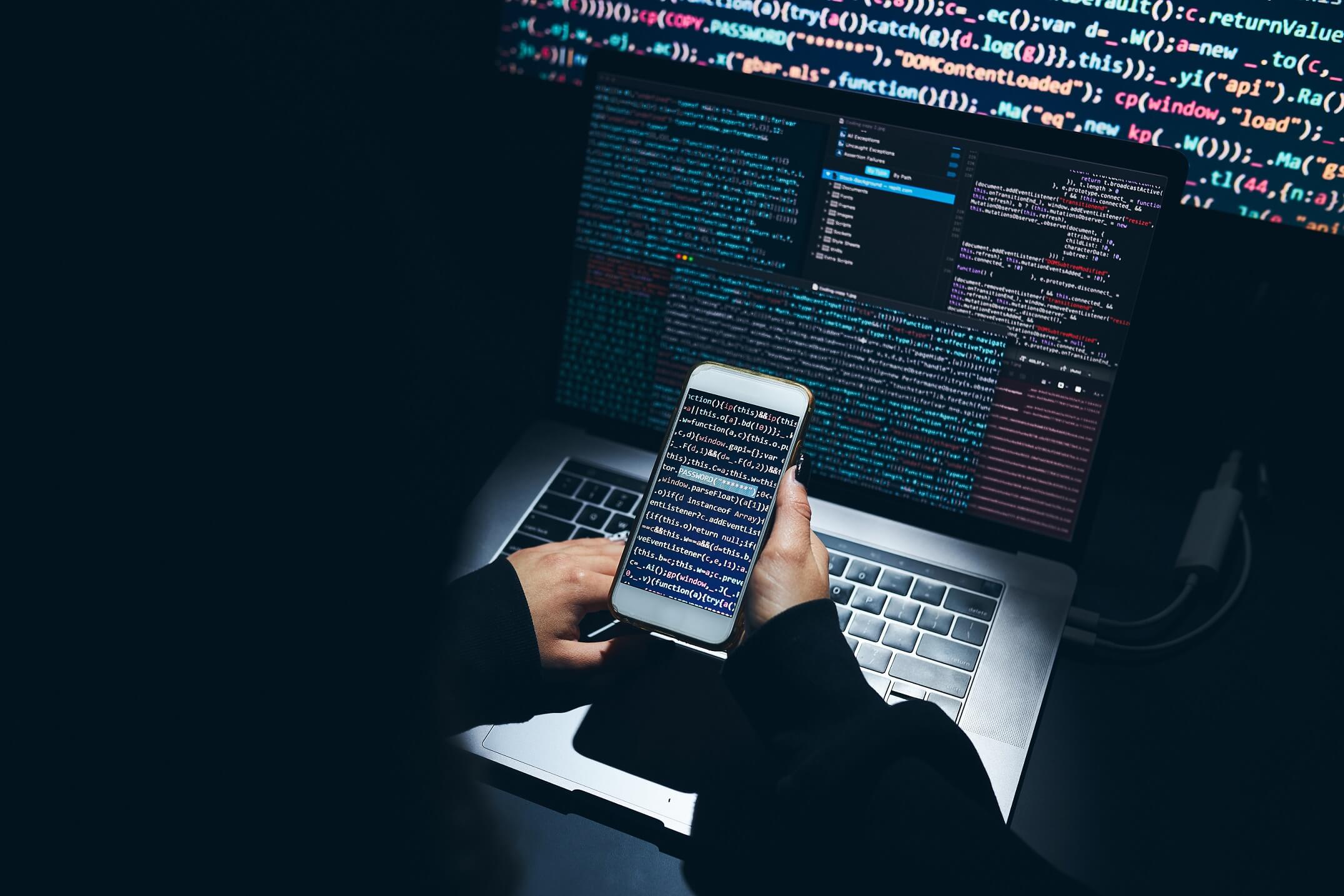
Ransomware sa Pilipinas: Pagka-lock ng Data at Paghingi ng Pantubos

Ang ransomware ay isa sa pinaka-mapaminsalang uri ng cyberattack na nararanasan ngayon sa Pilipinas. Ito ay malware na pumapasok sa sistema at nag-e-encrypt ng mga files, dahilan upang hindi na ito ma-access ng user o organisasyon. Kapalit ng access, humihingi ang attacker ng ransom payment, kadalasan sa cryptocurrency. Sa Pilipinas,...

Cybersecurity sa Gobyerno ng Pilipinas: Pagprotekta sa Pambansang Datos

Ang cybersecurity sa gobyerno ng Pilipinas ay isang kritikal na aspeto ng pambansang seguridad. Dahil sa dami ng sensitibong impormasyon na hawak ng mga ahensya ng gobyerno, tulad ng personal records ng mga mamamayan, buwis, at health data, sila ay madalas na target ng cyberattacks. Isa sa mga pangunahing hamon...

Phishing at SMS Scam sa Pilipinas: Pekeng Mensahe na Nagdudulot ng Totoong Pinsala

Ang phishing at SMS scam ay isa sa pinaka-laganap na cyber threats sa Pilipinas ngayon. Dahil sa mataas na paggamit ng mobile phones at messaging apps, naging madali para sa mga scammer na makapagpadala ng pekeng mensahe sa libu-libong users. Kadalasan, ang mga mensaheng ito ay mukhang galing sa bangko,...

Digital Footprint sa Pilipinas: Ang Bakas na Iniwan Mo Online

Ang digital footprint ay tumutukoy sa lahat ng activity ng isang tao online. Sa Pilipinas, maraming users ang hindi aware na bawat post, comment, at like ay bahagi ng kanilang permanent digital record. Ang digital footprint ay maaaring gamitin ng employers, scammers, o hackers para sa profiling. Minsan, ginagamit ito...

Online Privacy sa Pilipinas: Bakit Mahalaga ang Pagprotekta sa Iyong Data

Ang online privacy ay isa sa pinakaimportanteng aspeto ng digital life. Sa Pilipinas, maraming users ang aktibo sa social media at online services ngunit hindi sapat ang kaalaman sa data protection. Maraming apps at websites ang nangongolekta ng personal data. Minsan, hindi alam ng user kung gaano karaming impormasyon ang...

Cyberbullying at Online Harassment sa Pilipinas

Ang cyberbullying ay isa sa lumalaking social issues sa digital age, lalo na sa Pilipinas kung saan mataas ang social media usage. Maraming kabataan at adults ang nakakaranas ng online harassment. Ang cyberbullying ay maaaring magsimula sa simpleng pang-aasar hanggang sa malalang paninira ng reputasyon. Dahil sa anonymity ng internet,...

Mobile Banking Security sa Pilipinas: Laban sa Digital na Panlilinlang

Ang mobile banking ay isa sa pinaka-importanteng serbisyo sa modernong buhay ng mga Pilipino. Ngunit habang lumalawak ang paggamit nito, lumalaki rin ang mga cyber threats na nakatutok dito. Isa sa mga pangunahing banta ay malware na kayang magbasa ng SMS messages. Sa ganitong paraan, nakukuha ng attacker ang OTP...

Online Job Scams sa Pilipinas: Pekeng Trabaho sa Digital Era

Ang online job hunting ay naging normal na paraan ng paghahanap ng trabaho sa Pilipinas. Ngunit kasabay nito ay ang pagdami ng job scams na nananamantala sa mga job seekers. Karaniwang taktika ng scammers ay ang pagpapadala ng fake job offers sa email o social media. Madalas ay mataas ang...

E-Wallet Security sa Pilipinas: Proteksyon sa Digital na Pera

Ang paggamit ng e-wallets tulad ng GCash at Maya ay naging bahagi na ng pang-araw-araw na buhay ng mga Pilipino. Dahil dito, mas naging madali ang pagbabayad, pag-transfer ng pera, at online shopping. Ngunit kasabay ng convenience ay ang pagtaas ng cyber threats. Isa sa pinaka-karaniwang atake ay account takeover....

Social Media Scams sa Pilipinas: Ang Panganib sa Likod ng Likes at Shares

Ang social media ay isa sa pinaka-aktibong digital platforms sa Pilipinas, ngunit ito rin ang isa sa pinaka-delikadong lugar pagdating sa cybercrime. Dito kumakalat ang mga scam na gumagamit ng psychological manipulation upang lokohin ang mga user. Maraming scam ang nagsisimula sa fake giveaways o “you won” messages. Ang mga...

Panganib ng Cybercrime sa Pilipinas: Mas Lumalawak na Digital na Banta

Ang cybercrime sa Pilipinas ay patuloy na lumalala habang mas dumarami ang gumagamit ng digital services tulad ng online banking, e-wallets, at social media. Habang nagbibigay ito ng convenience sa araw-araw na buhay, nagiging mas malawak din ang attack surface para sa mga cybercriminal. Sa modernong panahon, halos lahat ng...

Cybersecurity Awareness for Students in the Philippines

“The strongest firewall starts with awareness.” Students in the Philippines are among the most active internet users, making them frequent targets of cyber threats. From social media scams to phishing links disguised as school announcements, students face a wide range of risks. Common threats include: Many students also reuse passwords...

Passwordless Authentication and Biometrics in the Philippines

“The future of security is not remembered—it is recognized.” Passwordless authentication is transforming cybersecurity by replacing traditional passwords with biometrics such as fingerprints, facial recognition, and device-based authentication. In the Philippines, many banking apps and smartphones already use biometric login systems. This reduces risks associated with weak or reused passwords....

Data Breach Incidents and Lessons Learned in the Philippines

“A single leak can expose millions of lives.” Data breaches have become a serious cybersecurity issue in the Philippines as organizations increasingly store personal data online. A data breach occurs when unauthorized individuals gain access to sensitive databases containing personal or financial information. Common causes include weak security systems, unpatched...

Cryptocurrency Scams in the Philippines: Understanding Digital Investment Risks

“Fast money online often comes with hidden traps.” Cryptocurrency has become increasingly popular in the Philippines, especially among young investors looking for alternative income opportunities. However, this rapid adoption has also led to a rise in scams. Fraudsters often create fake trading platforms, investment schemes, or impersonate legitimate crypto exchanges....

Cybersecurity Risks in Online Learning Platforms in the Philippines

“Education has gone digital—but attackers have followed.” The shift to online learning in the Philippines has made education more accessible but also introduced new cybersecurity challenges. Schools, universities, and students now rely heavily on digital platforms such as learning management systems, video conferencing tools, and cloud-based file sharing. One of...

IoT Security Risks in Smart Homes in the Philippines

“Every smart device you own is also a device someone else might try to control.” The rise of smart home technology in the Philippines has introduced convenience—but also new cybersecurity risks. Internet of Things (IoT) devices such as smart TVs, CCTV cameras, routers, smart lights, and voice assistants are now...

ATM Skimming and Banking Fraud in the Philippines: Hidden Hardware Threats

“Not all cyberattacks happen online—some are physically installed in front of you.” ATM skimming is a physical form of cybercrime that continues to affect banking users in the Philippines. Unlike digital phishing or hacking, this attack involves criminals physically modifying ATM machines to steal card data. Skimming devices are often...

SIM Swapping Attacks in the Philippines: The Silent Takeover of Mobile Identity

“Your SIM card is no longer just a number—it is the key to your entire digital life.” SIM swapping is a growing form of cybercrime in the Philippines where attackers take control of a victim’s mobile number by convincing or tricking telecom providers into transferring the number to a new...

Cybersecurity Careers in the Philippines: Opportunities in a Growing Digital Industry

“As cyber threats grow, so does the demand for those who can stop them.” Cybersecurity has become one of the fastest-growing career fields in the Philippines. With increasing digital transformation across industries, organizations are actively seeking professionals who can protect systems, detect threats, and respond to cyber incidents. Career roles...

Public Wi-Fi Security Risks in the Philippines: What Every User Should Know

“Free Wi-Fi is convenient—but it can come at the cost of your privacy.” Public Wi-Fi networks are widely available across the Philippines in malls, cafés, transportation hubs, and restaurants. While these networks provide convenience, they also introduce significant cybersecurity risks for users. One of the most common threats is data...
The Evolution of Malware in the Philippines: From Simple Viruses to Advanced Threats

The Evolution of Malware in the Philippines: From Simple Viruses to Advanced Threats

“Malware today is no longer noisy or obvious—it is silent, persistent, and intelligent.” Malware in the Philippines has evolved significantly over the past two decades. In the early days of the internet, most malware consisted of simple viruses that caused visible damage such as slowing down computers, corrupting files, or...
Social Engineering Attacks in the Philippines: The Psychology Behind Cybercrime

Social Engineering Attacks in the Philippines: The Psychology Behind Cybercrime

“The easiest system to hack is not a computer—it is the human mind.” Social engineering is one of the most dangerous forms of cyberattack because it targets human behavior rather than technical systems. In the Philippines, these attacks are becoming increasingly common due to high social media usage and growing...
Cybersecurity in Philippine Businesses: Building Resilience Against Digital Threats

Cybersecurity in Philippine Businesses: Building Resilience Against Digital Threats

“A business without cybersecurity is like a store with no locks in a crowded city.” Businesses in the Philippines, especially small and medium enterprises, are increasingly relying on digital systems for operations, communication, and customer engagement. However, many of these businesses lack strong cybersecurity defenses, making them easy targets for...
Digital Identity Protection in the Philippines: Safeguarding Personal Information in an Online World

Digital Identity Protection in the Philippines: Safeguarding Personal Information in an Online World

“Your digital identity is now as valuable as your real-world identity—sometimes even more.” Digital identity refers to all the information that represents a person online, including email accounts, social media profiles, banking credentials, government records, and online activity. In the Philippines, where digital services are deeply integrated into daily life,...
The Rise of Cybercrime in the Philippines: Understanding the Modern Threat Landscape

The Rise of Cybercrime in the Philippines: Understanding the Modern Threat Landscape

“Cybercrime is no longer an isolated issue—it is a national concern affecting every connected Filipino.” The Philippines has experienced rapid digital transformation over the past decade. With more Filipinos gaining access to smartphones, online banking, and digital services, the country has also become a growing target for cybercriminals. Cybercrime today...
Why Strong Passwords Still Matter in Cybersecurity

Why Strong Passwords Still Matter in Cybersecurity

Sed posuere consectetur est at lobortis lorem ipsum nulla vitae elit libero, a pharetra augue. Vestibulum id ligula porta felis euismod semper. Vivamus sagittis lacus vel augue laoreet rutrum faucibus dolor auctor.

Cybersecurity Resources

Access helpful guides, tools, and trusted resources to strengthen your digital safety and stay protected online.

Guides & Checklists
  • Download simple cybersecurity guides and checklists to help you secure your accounts, devices, and personal information.
Download Guides
Security Tools
  • Explore useful tools for checking password strength, detecting suspicious links, and improving your online security.
Explore Tools
Trusted Resources
  • Visit official cybersecurity organizations like DICT and other trusted sources for verified information and updates.
Visit Resources

Report a Scam or Threat

Help us promote digital safety by reporting suspicious messages, fake accounts, phishing attempts, online fraud, or other cyber threats. Your report can help raise awareness and protect others.

Stay Safe. Stay Informed.

Take control of your digital safety today. Learn how to protect yourself from online threats, report suspicious activity, and stay updated with the latest cybersecurity information.

Latest Cybersecurity News

Stay informed with recent cyber incidents, scam alerts, and important updates affecting users in the Philippines and around the world.

GCash Scam Alert: What You Need to Know

Users are being targeted with fake GCash messages requesting OTP and account verification. Always verify before responding.

Facebook Account Hacking on the Rise

Hackers are using phishing links to gain access to Facebook accounts. Enable two-factor authentication immediately.

Check the URL carefully, avoid shortened links, and never click links from unknown or suspicious sources. When in doubt, do not proceed.

Immediately change your passwords, enable two-factor authentication, and report the incident to the platform involved.

Avoid logging into sensitive accounts on public Wi-Fi. If necessary, use a VPN to protect your data.

Use strong passwords, enable 2FA, review privacy settings, and avoid clicking suspicious links.

FAQ

Let’s Talk / Report a Threat

Have questions about online safety or encountered a suspicious message, scam, or threat? Reach out to BantayCyber and help us make the digital space safer for everyone.

Email Address

bantaycyber@gmail.com

Phone Number

123-4567-890

Name

Subscribe our newsletter to get best advice on Marketing

Copyright © 2026 bantaycyber By Boomboom. All Rights Reserved.