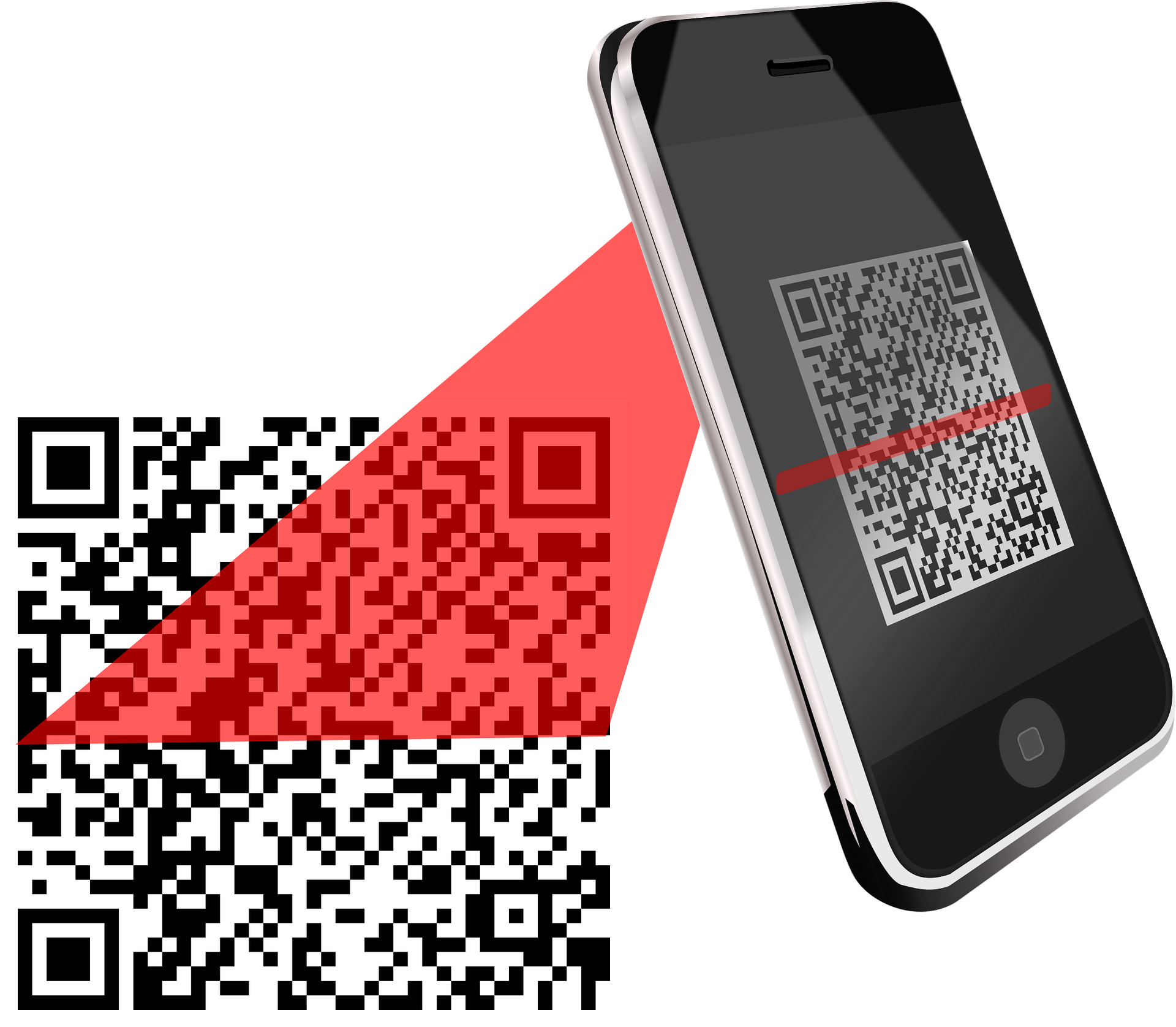
QR codes have become a normal part of daily life in the Philippines. They are used for restaurant menus, GCash and Maya payments, event registrations, Wi-Fi access, transportation services, and online promotions. Their convenience has made digital transactions faster than ever before. However, cybercriminals have also discovered new ways to exploit this technology through a growing attack known as “quishing,” short for QR code phishing. Instead of sending suspicious links through emails or text messages, attackers trick victims into scanning malicious QR codes that redirect them to fraudulent websites.
Unlike traditional phishing attacks, QR code scams are difficult to detect because the destination website remains hidden until after the code is scanned. Victims often assume the QR code is legitimate simply because it appears professional or is placed in a public location. Attackers may print fake QR code stickers and place them over genuine payment codes in restaurants, parking lots, shopping malls, or donation boxes. Once scanned, victims may unknowingly submit banking credentials, GCash login details, credit card information, or personal identification data to fake websites that closely resemble legitimate services.
Businesses have also become targets of QR code manipulation. A scammer may replace a merchant’s official payment QR code with one linked to the attacker’s own digital wallet. Customers believe they have successfully paid the business, while the money is actually transferred to the criminal’s account. This type of fraud not only causes financial losses but can also damage customer trust and business reputations. Small businesses that rely heavily on digital payments are particularly vulnerable if they do not regularly inspect their payment displays.
Mobile devices add another layer of risk because many users remain logged into banking applications and social media accounts. Some malicious QR codes redirect victims to websites that automatically request app downloads or browser permissions. Others launch fake login pages that closely imitate banks, government portals, or e-wallet providers. Because smartphones are frequently used for financial transactions, a successful QR code scam can quickly compromise multiple online accounts connected to the victim’s device.
The best defense against quishing is careful verification before scanning any QR code. Users should only scan QR codes from trusted businesses, official government agencies, or reputable organizations. If a QR code appears to have been covered by another sticker or looks tampered with, avoid using it. Before entering sensitive information on any website opened through a QR code, carefully verify the website address and ensure it uses HTTPS encryption. Financial institutions rarely ask customers to verify accounts solely through QR codes, making such requests a potential warning sign.
As QR code usage continues to expand throughout the Philippines, awareness remains the strongest protection against quishing attacks. The technology itself is not dangerous; rather, the criminals who misuse it create the threat. By staying alert, verifying payment codes, and thinking carefully before scanning unfamiliar QR codes, Filipinos can continue benefiting from digital convenience while protecting themselves from one of today’s fastest-growing forms of cybercrime.
Created by Rowen Neil Enriquez
Leave a Reply