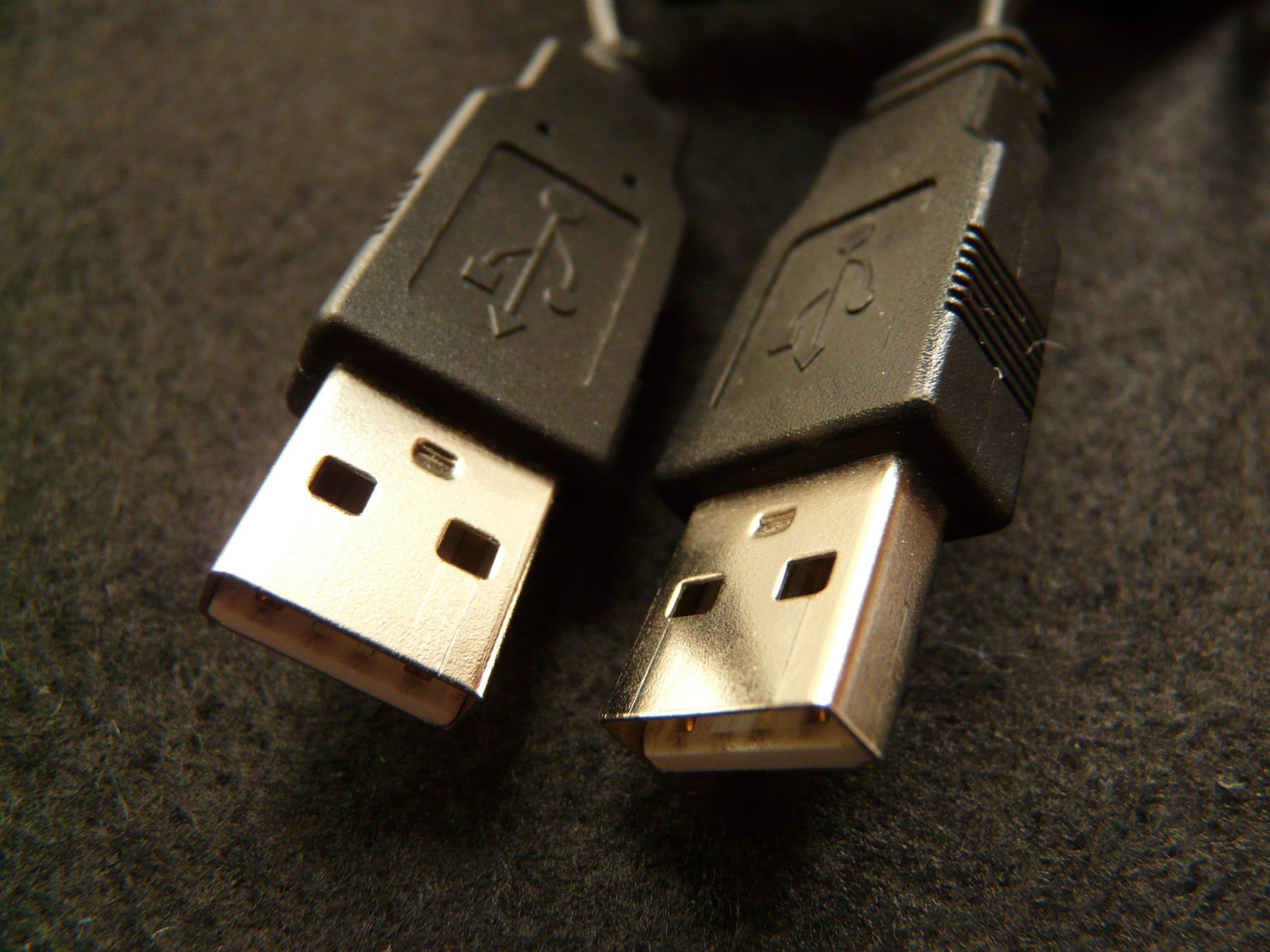
USB flash drives remain one of the most widely used storage devices in the Philippines. Students use them to transfer school projects, businesses rely on them to exchange documents, and government offices often use them for moving files between computers. Their portability and convenience make them indispensable in many environments. However, the same qualities that make USB drives useful also make them a favorite tool for cybercriminals. A single infected USB device can compromise an entire computer system within seconds, often without the user realizing anything unusual has happened.
One of the oldest USB-based threats involves malware hidden inside seemingly harmless files. An attacker may intentionally leave infected flash drives in public places such as schools, offices, cafés, or parking lots, hoping that someone will pick them up and connect them to a computer. Once inserted, malicious software may automatically execute or trick the user into opening infected files. The malware can then steal passwords, encrypt files through ransomware, install spyware, or spread to other connected devices within the same network. This technique continues to succeed because it relies on human curiosity rather than technical vulnerabilities.
A more advanced attack known as BadUSB is even more dangerous. Unlike traditional malware stored as files, BadUSB modifies the firmware inside the USB device itself. This means the flash drive can disguise itself as another device, such as a keyboard or network adapter. Once plugged into a computer, it can secretly type commands at incredible speed, disable security settings, install malicious software, or download additional malware from the internet. Since antivirus software often scans only the files stored on a USB drive—not its firmware—many BadUSB attacks can bypass traditional security solutions.
Businesses and organizations face particularly high risks from USB attacks. An employee may unknowingly use an infected flash drive received from a client, supplier, or coworker. In environments where computers are connected to internal company networks, a single compromised USB device may allow attackers to move laterally across multiple systems. Sensitive business documents, financial records, customer databases, and confidential communications could all become exposed. Critical sectors such as healthcare, education, and government agencies are especially vulnerable because they frequently exchange files using removable media.
Preventing USB-based attacks requires both technical safeguards and user awareness. Users should never connect unknown or untrusted USB devices to personal or work computers. Organizations should disable automatic file execution, restrict USB usage through security policies, and use endpoint protection software capable of detecting suspicious USB behavior. Employees should receive cybersecurity awareness training that teaches them the risks of connecting unidentified storage devices. Whenever possible, secure cloud storage or encrypted file-sharing platforms should replace physical USB transfers for sensitive information.
Although USB drives are small enough to fit in a pocket, they can carry threats capable of causing enormous financial and operational damage. As cybercriminals continue developing more sophisticated attack techniques like BadUSB, every user must recognize that removable storage devices deserve the same level of caution as suspicious emails or unknown software downloads. A moment of curiosity can lead to months of recovery, making USB security an essential part of modern cybersecurity in the Philippines.
Leave a Reply