Author: cyberpolis
-
Cybersecurity for OFWs: Protecting Money and Personal Data While Working Abroad
Millions of Overseas Filipino Workers (OFWs) rely on digital technology to stay connected with their families and manage their finances. From sending remittances and paying bills to communicating through messaging apps and accessing online banking, digital services have become an essential part of everyday life for Filipinos working overseas. Unfortunately, cybercriminals recognize this dependence and…
-
Zero Trust Security in the Philippines: Why Trust Should Never Be Automatic
For many years, organizations relied on the idea that users and devices inside a company network could generally be trusted. Once an employee successfully logged in or connected to the office network, they often had access to multiple systems with few additional security checks. However, the rapid growth of cloud computing, remote work, mobile devices,…
-
Cybersecurity for Content Creators and Influencers in the Philippines: Protecting Your Digital Brand
Content creation has become one of the fastest-growing professions in the Philippines. Thousands of Filipinos earn income through YouTube, Facebook, TikTok, Instagram, Twitch, podcasts, and blogging. Their online presence represents not only their personal identity but also their primary source of income. As audiences grow, however, so does the attention from cybercriminals. Influencers and content…
-
Browser Cookie Theft and Session Hijacking in the Philippines: When Attackers Steal Your Login Without Your Password
Many Filipinos believe that protecting their passwords is enough to keep their online accounts secure. While strong passwords are an essential part of cybersecurity, attackers have developed techniques that allow them to access accounts without ever knowing the password. One of the most dangerous methods is browser cookie theft, which often leads to session hijacking.…
-
Fake Customer Support Scams in the Philippines: When Help Becomes the Threat
Customer support exists to solve problems, but cybercriminals have learned how to exploit that trust. Fake customer support scams have become increasingly common in the Philippines, targeting users of banks, e-wallets, online shopping platforms, telecommunications companies, and social media services. Scammers impersonate legitimate support representatives and convince victims to reveal passwords, one-time passwords (OTPs), banking…
-
Smartwatch and Wearable Device Security in the Philippines: Protecting More Than Just Your Fitness Data
Wearable technology has become increasingly popular among Filipinos. Smartwatches and fitness bands now monitor heart rate, sleep quality, physical activity, GPS locations, and even allow users to receive messages, answer calls, and make digital payments. Devices from Apple, Samsung, Huawei, Xiaomi, Garmin, and other manufacturers have transformed wearable gadgets into powerful extensions of smartphones. While…
-
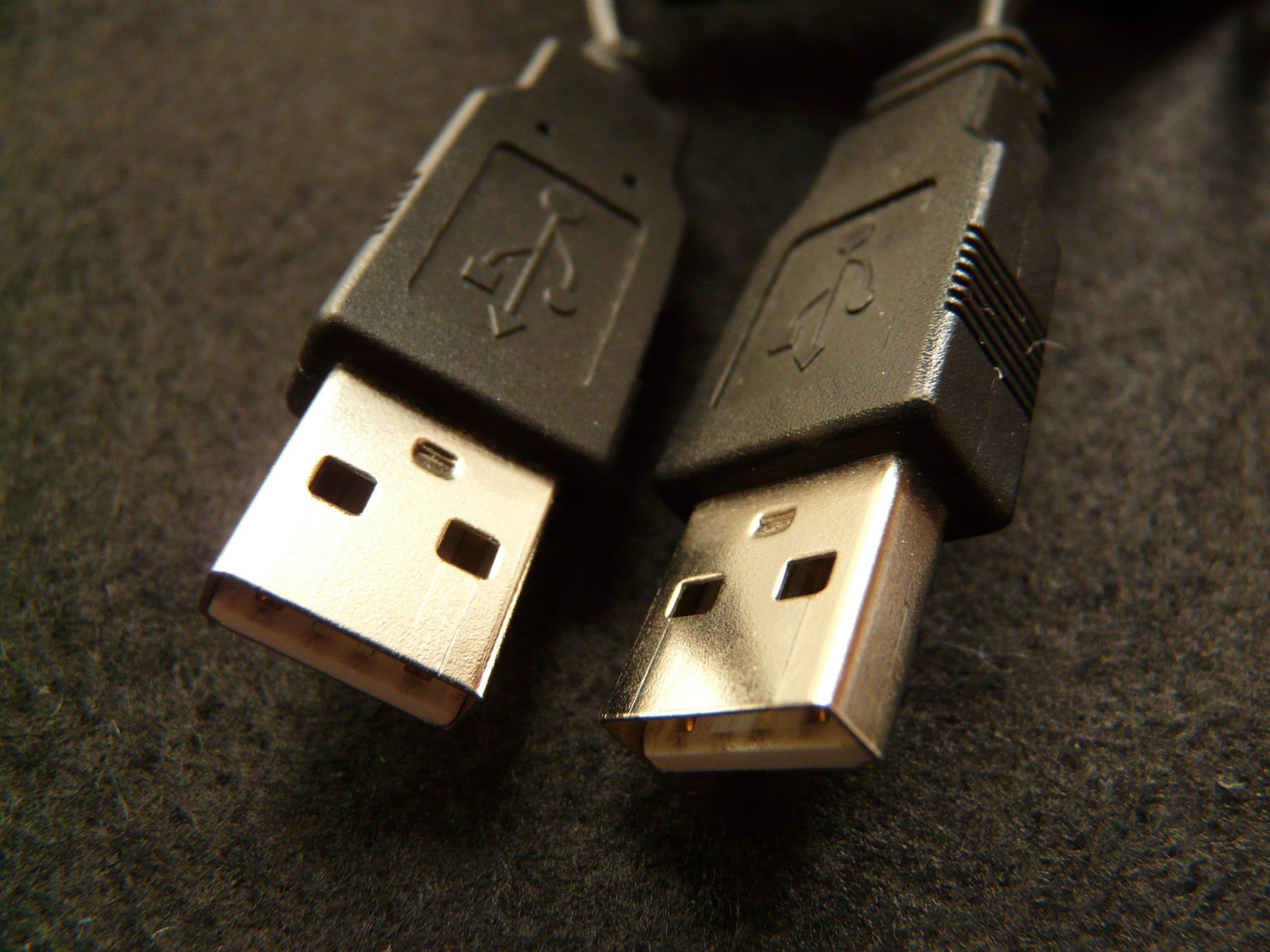
USB and BadUSB Attacks in the Philippines: The Small Device That Can Cause Big Damage
USB flash drives remain one of the most widely used storage devices in the Philippines. Students use them to transfer school projects, businesses rely on them to exchange documents, and government offices often use them for moving files between computers. Their portability and convenience make them indispensable in many environments. However, the same qualities that…
-

Cloud Storage Security in the Philippines: Protecting Your Files Beyond Your Device
Cloud storage services such as Google Drive, Microsoft OneDrive, Dropbox, and iCloud have transformed the way Filipinos store and share digital files. Students submit assignments online, professionals collaborate on business documents, families back up important photos, and entrepreneurs manage company records using cloud platforms. While cloud storage offers flexibility and convenience, many users mistakenly believe…
-
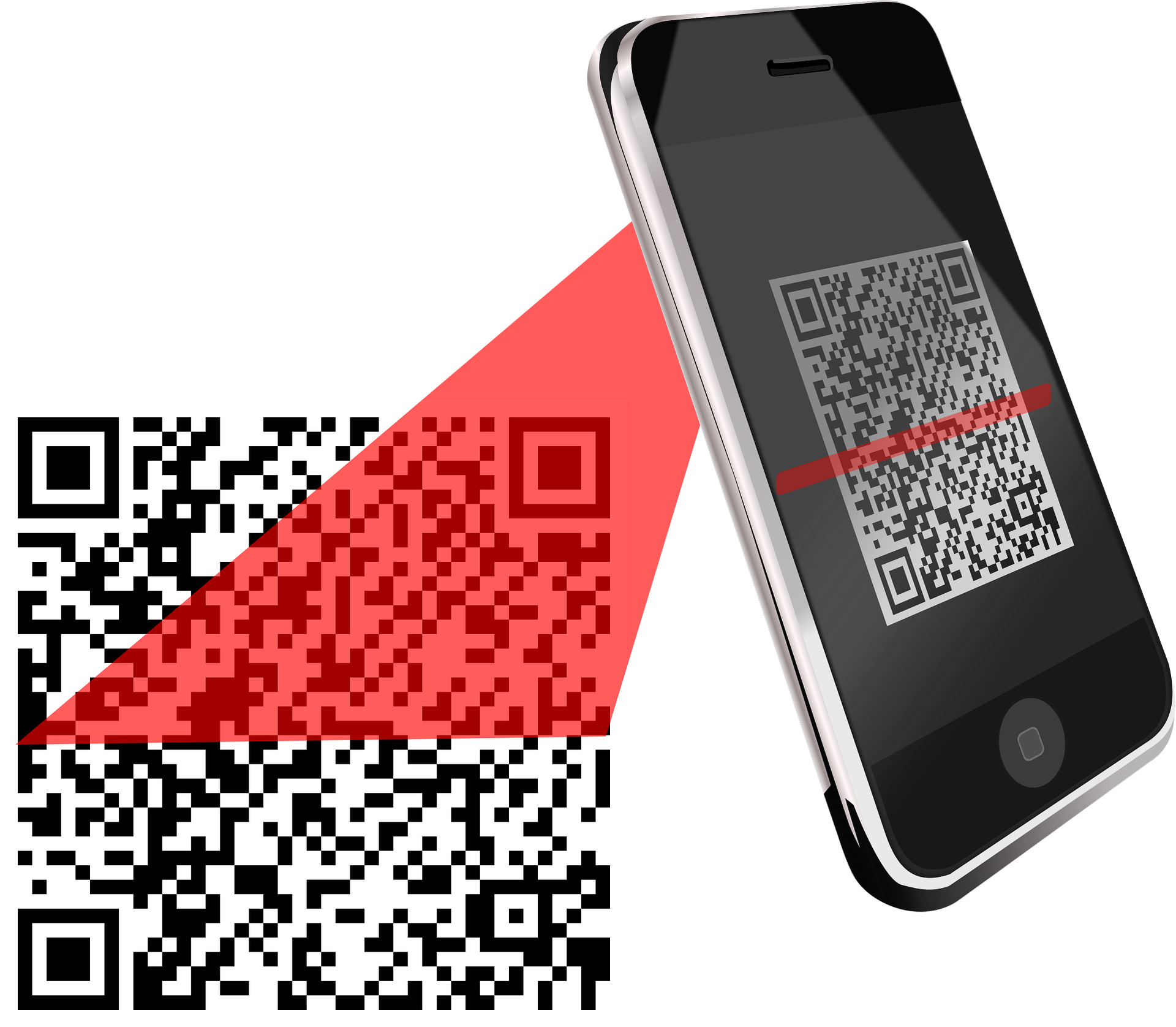
QR Code Scams (Quishing) in the Philippines: When One Scan Can Cost You Everything
QR codes have become a normal part of daily life in the Philippines. They are used for restaurant menus, GCash and Maya payments, event registrations, Wi-Fi access, transportation services, and online promotions. Their convenience has made digital transactions faster than ever before. However, cybercriminals have also discovered new ways to exploit this technology through a…
-

Browser Extension Security in the Philippines: The Hidden Risks Behind Helpful Add-ons
Browser extensions have become an essential part of everyday internet use. Many Filipinos install extensions to block advertisements, save passwords, translate web pages, improve productivity, or customize their browsing experience. While many of these tools are legitimate and useful, browser extensions also represent one of the most overlooked cybersecurity risks. A malicious or poorly designed…