Category: Uncategorized
-
IoT Security Risks in Smart Homes in the Philippines
“Every smart device you own is also a device someone else might try to control.” The rise of smart home technology in the Philippines has introduced convenience—but also new cybersecurity risks. Internet of Things (IoT) devices such as smart TVs, CCTV cameras, routers, smart lights, and voice assistants are now common in many households. The…
-
ATM Skimming and Banking Fraud in the Philippines: Hidden Hardware Threats
“Not all cyberattacks happen online—some are physically installed in front of you.” ATM skimming is a physical form of cybercrime that continues to affect banking users in the Philippines. Unlike digital phishing or hacking, this attack involves criminals physically modifying ATM machines to steal card data. Skimming devices are often discreetly installed over card slots…
-
SIM Swapping Attacks in the Philippines: The Silent Takeover of Mobile Identity
“Your SIM card is no longer just a number—it is the key to your entire digital life.” SIM swapping is a growing form of cybercrime in the Philippines where attackers take control of a victim’s mobile number by convincing or tricking telecom providers into transferring the number to a new SIM card. Once successful, attackers…
-
Cybersecurity Careers in the Philippines: Opportunities in a Growing Digital Industry
“As cyber threats grow, so does the demand for those who can stop them.” Cybersecurity has become one of the fastest-growing career fields in the Philippines. With increasing digital transformation across industries, organizations are actively seeking professionals who can protect systems, detect threats, and respond to cyber incidents. Career roles in cybersecurity include security analysts,…
-
Understanding the Data Privacy Act of 2012 in the Philippines: Protecting Personal Information
“Privacy is not just a right—it is a responsibility shared by everyone handling data.” The Data Privacy Act of 2012 is a landmark law in the Philippines designed to protect personal information stored and processed by both government and private organizations. It aims to ensure that individuals’ data is collected, used, and stored responsibly. The…
-
Public Wi-Fi Security Risks in the Philippines: What Every User Should Know
“Free Wi-Fi is convenient—but it can come at the cost of your privacy.” Public Wi-Fi networks are widely available across the Philippines in malls, cafés, transportation hubs, and restaurants. While these networks provide convenience, they also introduce significant cybersecurity risks for users. One of the most common threats is data interception. On unsecured networks, attackers…
-
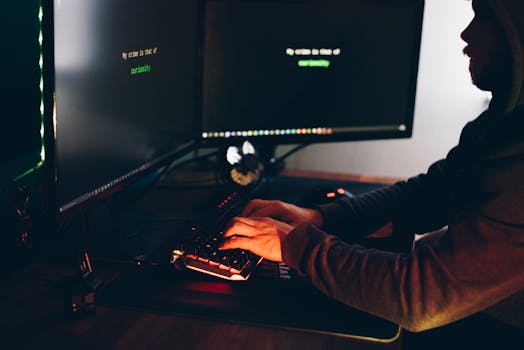
The Evolution of Malware in the Philippines: From Simple Viruses to Advanced Threats
“Malware today is no longer noisy or obvious—it is silent, persistent, and intelligent.” Malware in the Philippines has evolved significantly over the past two decades. In the early days of the internet, most malware consisted of simple viruses that caused visible damage such as slowing down computers, corrupting files, or displaying unwanted pop-ups. Today, malware…
-

The Future of Cybersecurity in the Philippines: Trends, Challenges, and Opportunities
“The future of cybersecurity will be defined by how well we adapt to threats we have not yet seen.” Cybersecurity in the Philippines is entering a new era shaped by rapid digital transformation, artificial intelligence, and increasing cyber threats. As more systems move online, the need for stronger, smarter, and more adaptive security measures becomes…
-
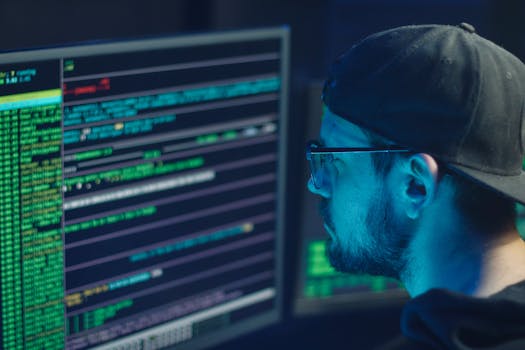
Social Engineering Attacks in the Philippines: The Psychology Behind Cybercrime
“The easiest system to hack is not a computer—it is the human mind.” Social engineering is one of the most dangerous forms of cyberattack because it targets human behavior rather than technical systems. In the Philippines, these attacks are becoming increasingly common due to high social media usage and growing reliance on digital communication. Attackers…
-
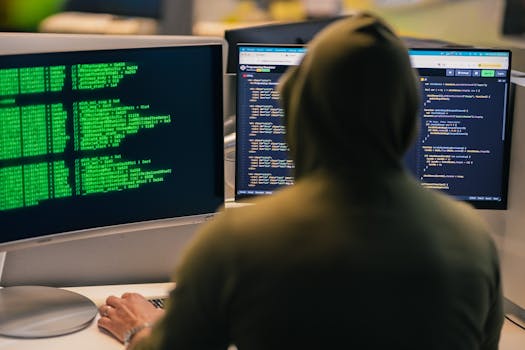
Cybersecurity in Philippine Businesses: Building Resilience Against Digital Threats
“A business without cybersecurity is like a store with no locks in a crowded city.” Businesses in the Philippines, especially small and medium enterprises, are increasingly relying on digital systems for operations, communication, and customer engagement. However, many of these businesses lack strong cybersecurity defenses, making them easy targets for cyberattacks. One of the most…